

### Blog Post:
Home energy audit cost is one expense every homeowner should understand before starting an energy-saving journey. Knowing what to expect, what drives the price, and how the process works can prevent surprises and help you decide if a professional assessment or a DIY approach is right for your home.
Key Takeaways
- Professional home energy audit cost ranges from $200 to $600, but regional differences and home size can change that number significantly.
- DIY audit kits cost just $30 to $150, but miss the detail and accuracy of professional testing like blower doors or infrared scans.
- Some local utilities and programs offer free or discounted audits and rebates, providing ways to lower your out-of-pocket costs.
- What Is a Home Energy Audit and Why Should You Care?
- How to Get a Home Energy Audit: Step-by-Step
- Advanced Analysis & Common Pitfalls
- Conclusion
- Home Energy Audit Cost FAQ
What Is a Home Energy Audit and Why Should You Care?
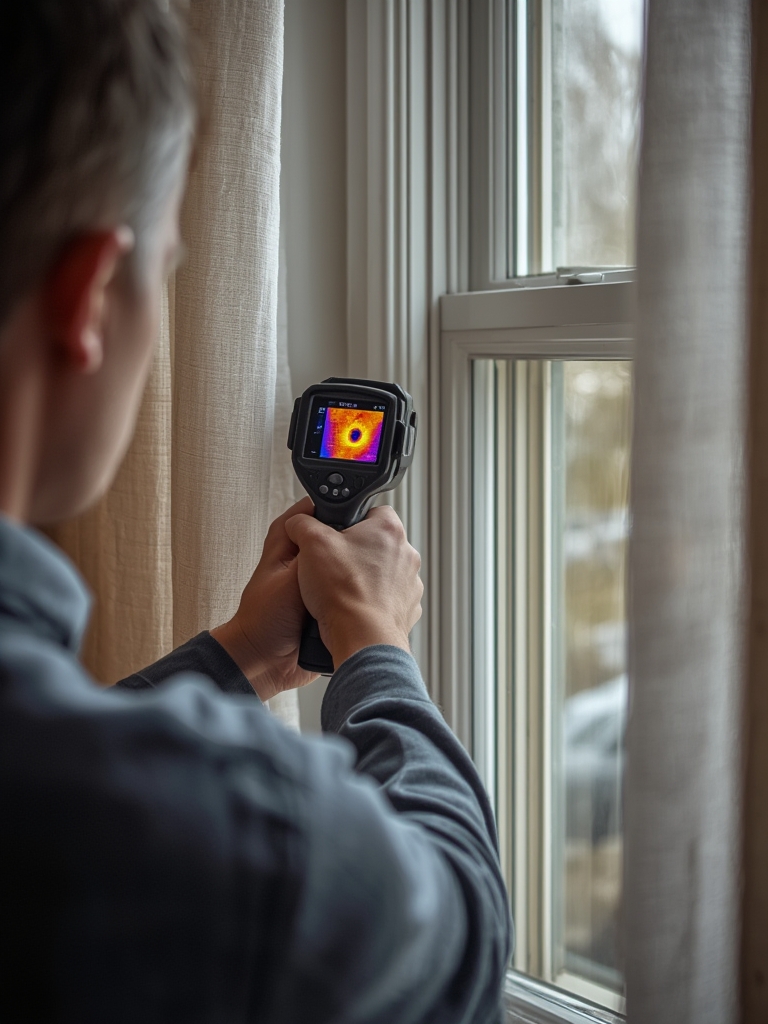
A home energy audit is a structured process that examines how much energy your home consumes and pinpoints exactly where you are losing money on heating, cooling, and electricity. This assessment uses specialized equipment, such as blower doors and infrared camera scan, to find leaks, missing insulation, and other hidden inefficiencies that can cost you hundreds of dollars annually. Without a clear understanding of your home’s energy profile, even expensive upgrades may not solve the real issues.

Most professional audits in 2024 cost between $200 and $600, depending on your home’s size and your location. For example, in New York City, a full audit often costs as much as $800, while in San Francisco, you might see prices closer to $300. Large homes and advanced diagnostic services (such as ASHRAE Level 3 audits) can exceed $1,000, especially for in-depth heating and cooling analysis.
DIY kits, available for $30 to $150, use instructions and mailed equipment to help you spot basics like obvious drafts and low-performing windows. However, they fall short in detailed analysis. Professional audits often include a review of past energy bills and hands-on testing, which is hard to replicate without training or advanced gear.
If you are interested in other smart home upgrades that complement an audit, check out our Small Screened-In Porch Ideas or learn about Ring Wired Doorbell Plus for security improvements.
How to Get a Home Energy Audit: Step-by-Step
Here is how you can approach getting a home energy audit, from booking to making sense of the results.
- Decide: Professional vs. DIY
- Professional: Schedule with a certified auditor through local providers or utilities. Expect comprehensive testing and a detailed report.
- DIY: Order a home energy audit kit online or purchase at a store. Follow instructions for simple inspections and temperature checks.
- Compare Local Costs
- Ask for quotes in your region, as costs in places like Boston or Chicago run higher (up to $550) while others like San Francisco tend to be lower (about $300). For detailed pricing by home size, calculate $0.10 to $0.50 per square foot.
- Check Utility Rebates
- Some programs sponsor free or discounted audits ($0 to $150). For example, PPL Electric provides a $350 rebate when your home has electric heat and central A/C. Always ask your provider or search their website for active offers.
- Prepare Your Home
- Unlock access points (attic, crawl spaces), gather recent energy bills, and plan to be present during the audit so you can ask questions about findings in real time.
- Review the Report
- Expect both a summary report and actionable recommendations, such as sealing air leaks, upgrading insulation, or replacing faulty HVAC components.
- Act on Recommendations
- Prioritize fixes with the best ROI (commonly, air sealing and insulation). If you want more ideas on transforming your energy usage, read our guide on Cum Sociis Natoque Penatibus.
For those looking into overall water quality, not just energy savings, our Whole Home Water Filtration System guide covers must-know solutions for a healthier home environment.
Advanced Analysis & Common Pitfalls
Home energy audits are invaluable, but homeowners face real challenges with both DIY and professional routes. Here’s what often trips up users and what you need to watch for:
- DIY Limitations: Most kits only identify obvious issues, miss hidden leaks (like those in attics or behind walls), and cannot replicate blower door test or infrared testing that finds costly, hard-to-detect problems. Without proper knowledge, many users either under- or overestimate the real fixes needed.
- Professional Audit Complaints: Some homeowners report frustration when recommendations are generic, or when suggested contractors push costly upgrades with unclear payback periods. Scheduling delays and unclear pricing quotes are other common complaints, especially in high-demand markets.
- Overlooked Rebates: Many homeowners simply don’t know about available rebates—either leaving money on the table or paying the full price unnecessarily. PPL Electric’s $350 rebate for qualifying audits is just one example; always check for utility or federal incentives. More info can be found in PPL’s program details.
- Missed ROI: Without detailed reporting and prioritization, it’s easy to be overwhelmed by suggested fixes, leading to inaction or overspending. Since measurable utility bill savings data is sparse, be skeptical about bold savings promises.
| Audit Method | 2024 Cost Range | Typical Coverage | Common Pitfalls |
|---|---|---|---|
| DIY Kit | $30–$150 | Visual inspection and reported checklist | Misses hidden leaks; lacks accuracy; cannot use pro tools |
| Professional (Standard) | $200–$600 | Blower door test, infrared scan, bill analysis | Generic reports; possible upsell tactics; regional pricing variance |
| Professional (Advanced/ASHRAE L2/L3) | $650–$1,000+ | Heating/cooling system analysis with detailed diagnostics | Higher upfront cost; unclear extra value for smaller homes |
The thoroughness of a standard energy audit usually includes a blower door test and surface scans that spot heat transfer inefficiencies. However, not every provider delivers the same level of detail—always ask what tests are included. Some states or counties may offer additional rebates for improvements, but data can be patchy. Federal tax credits under the Inflation Reduction Act now help offset costs for professional audits, but check requirements in advance via this recent review.
Interested in energy-efficient comfort? Our Spa Bathroom Remodel Ideas show how to add a sense of retreat through smart upgrades—another way to boost home value and comfort beyond energy savings.

Conclusion
Investing in a home energy audit makes sense if you are serious about reducing utility costs and improving home comfort. Understand the real home energy audit cost for your region and home size, check all available rebates, and clarify what each audit tier includes. Take a step-by-step approach, and when in doubt, start with a professional assessment for a comprehensive action plan. Ready to uncover your home’s hidden energy losses and start saving? Book your audit or start with a DIY kit today.
Home Energy Audit Cost FAQ
How much does a home energy audit cost in 2024?
The typical cost of a professional home energy audit in 2024 ranges from $200 to $600, with an average around $437. Advanced diagnostic audits run as high as $1,000, depending on home size and region.
Are there free or discounted home energy audits available?
Yes. Many local utility companies subsidize the cost, offering audits for free or for as little as $0 to $150. Some also provide post-audit rebates, such as PPL Electric’s $350 offer for homes with electric heat and central A/C.
Is a DIY home energy audit worth it?
DIY energy audit kits, usually $30 to $150, can help spot obvious issues. However, they miss hidden inefficiencies only detected by pro tools and testing, making them better for a quick check rather than an in-depth assessment.
What’s included in a professional home energy audit?
Most standard audits include a blower door test, an infrared camera scan, a review of past energy bills, and a customized report with recommendations. Advanced audits add deeper diagnostics of HVAC systems and insulation.
Can I get tax credits for my home energy audit?
Yes. Since 2023, federal tax credits under the Inflation Reduction Act may offset your audit costs, but requirements vary—always verify eligibility for Section 25C(a) before booking.
—