
### Blog Post:
Backsplash tile for kitchen upgrades makes one of the biggest visual and practical impacts in any remodel—if you pick the right tile, you get daily satisfaction, but a regretful choice means endless cleaning hassles and frustration with your new space.
Key Takeaways
- Porcelain and ceramic backsplash tiles dominate kitchen upgrades, but exciting options like glass, metallic, and reclaimed mosaics are rising fast in 2024.
- The biggest pain points after installation are grout issues, uneven workmanship, color surprises, and the high cost/time of demo—proactive choices prevent most headaches.
- Mixing trend-driven color, pattern, and sustainable materials delivers style and lasting value—test samples under real light and get professional help for tricky installs.
- Why your backsplash choice matters in 2024
- 2024 trends — materials, shapes, patterns and color shifts at a glance
- Materials deep dive — pros, cons, costs and best applications
- Color and pattern playbook — how to pick palettes that last
- The most common post-install frustrations — and how to avoid them
- High-opportunity (underrepresented) backsplash ideas — unique options to differentiate your kitchen
- 10 practical backsplash ideas (what to pick, where, and why)
- Installation, budget and timeline realities — what pros will tell you
- Maintenance and longevity — simple routines and material swaps for easy care
- How to visualize and test your backsplash before you buy
- Quick selection checklist to bring to the tile store or contractor
- FAQs & troubleshooting (short, scannable answers)
- Conclusion — next steps and call to action
Why your backsplash choice matters in 2024
The right backsplash tile for kitchen projects can transform your entire room. It anchors the style of your space, shapes cleaning routines, and protects your walls from daily messes. A smart backsplash decision improves long-term property value and makes any kitchen refresh feel modern—while shortcuts or trendy impulse buys often lead to extra future expense and hassle.
Ceramic and porcelain still dominate kitchen upgrades, making up about one-third of all new backsplashes (source). Slab stone formats (like marble and engineered quartz) now claim about a quarter of installations, while creative handmade options like zellige are making rapid gains. Your choice directly impacts resale appeal, maintenance downtime, and the tone your kitchen strikes every day.
2024 trends — materials, shapes, patterns and color shifts at a glance
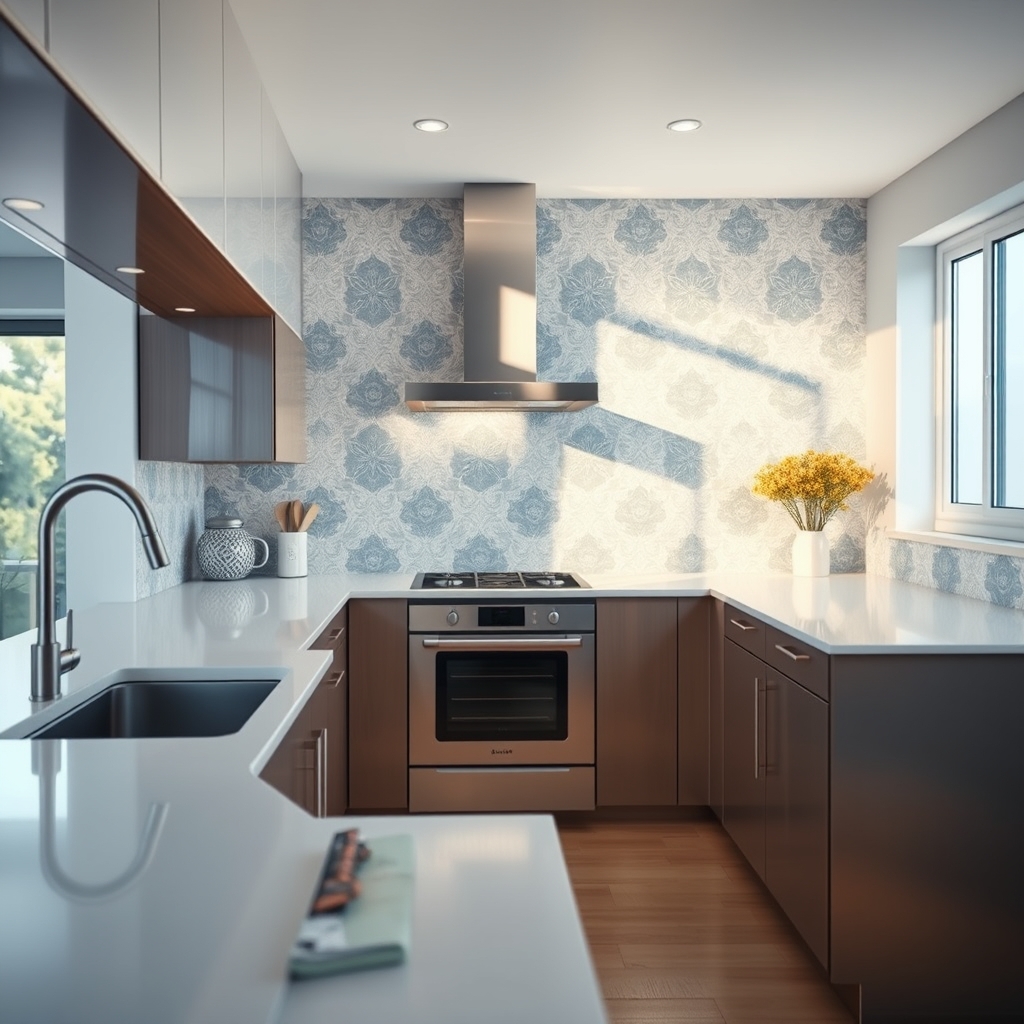
Modern kitchens are moving swiftly toward a mix of classic utility and bold personal style. The top kitchen backsplash ideas this year build around these trends:
- Materials: Porcelain and ceramic still lead, but large-engineered quartz and marble slabs, zellige, glass, and metallics are trending.
- Tile shapes: Rectangle tiles dominate (about 68% of new projects), but there is growing interest in hex, diamond, and boutique shapes for accents (source).
- Layouts: The horizontal brick pattern is the top choice (39%), horizontal stack (15%), with herringbone and vertical stack layouts at about 7% each.
- Color: Pure white (35%) and off-white (22%) are steady, but earthy beige, terracotta, and sage are climbing fast. Vibrant blues and greens—especially in large-format or glass—add punchy touches (source).
- Pattern: Backsplash tile for kitchen looks are more likely to feature geometric lines or textured 3D effects, often in glass, mixed materials, or reclaimed mosaic panels.
Minimal grout lines and seamless coverage are in demand for easy cleaning and a high-design look. Read more about how to style larger spaces in our guide to outdoor kitchen ideas on a budget.
Materials deep dive — pros, cons, costs and best applications
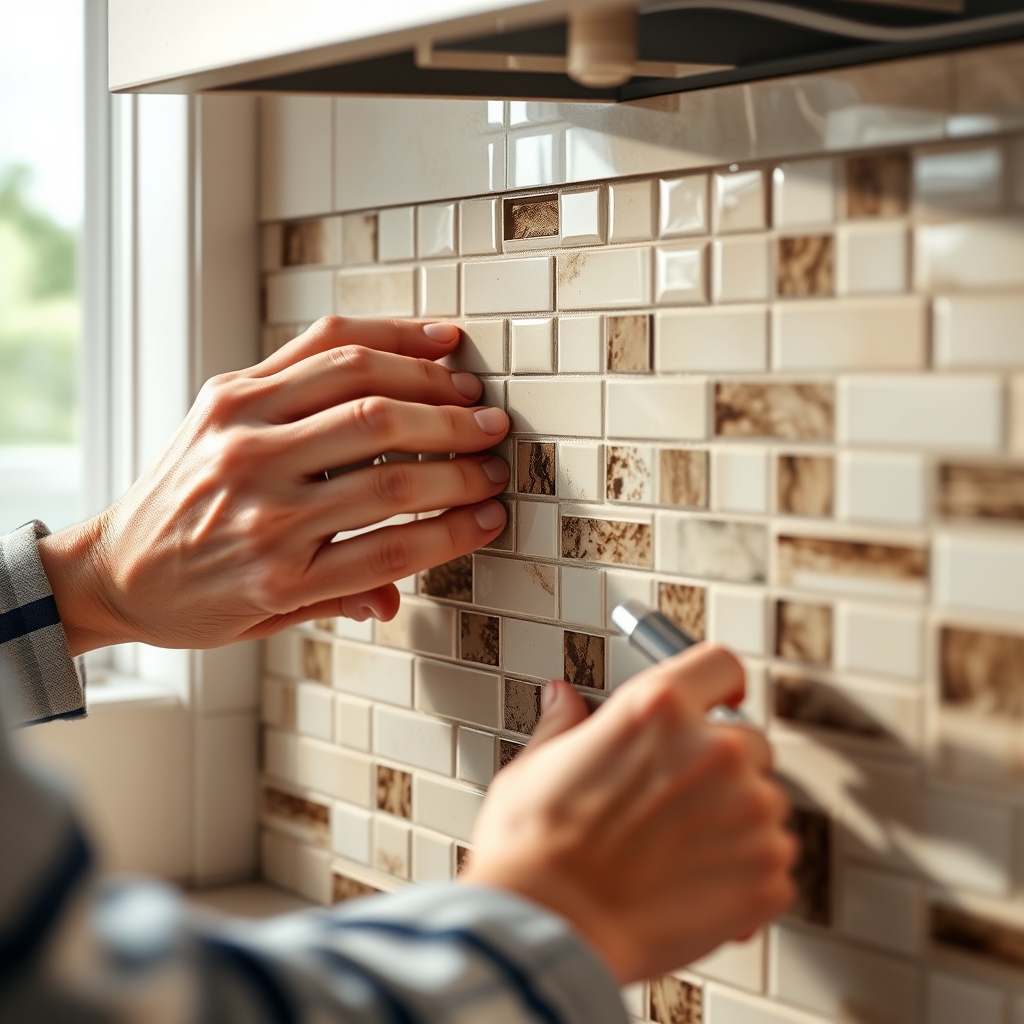
Choosing the right backsplash material means balancing looks, budget, and daily life. Here’s how today’s most popular (and emerging) materials stack up for a new backsplash tile for kitchen:
| Material | Pros | Cons | Best Use | Typical Cost/sq ft* |
|---|---|---|---|---|
| Porcelain/Ceramic | Most options, good price, wide color selection | Visible grout, some patterns can date quickly | Main runs, high-traffic splash zones | $6-$18 |
| Engineered Quartz Slab | Sleek, virtually groutless, resilient | Requires pro install, higher cost | Modern kitchens, luxury upgrades | $50-$120 |
| Marble Slab | Timeless luxury, one-of-a-kind look | Prone to staining, requires regular sealing | Showpiece ranges, accent walls | $80-$200+ |
| Handmade Zellige | Organic texture, diffuses light, artisanal vibe | Uneven surface, slightly more maintenance | Old-world, global, heritage styles | $15-$40 |
| Glass Tile/Mosaic | Reflects light, vibrant color, easy to wipe | Shows smudges, grout needs attention | Accent zones, compact kitchens | $10-$30 |
| Metal (Stainless/Brass/Copper) | Modern, heat resistant, minimal grout | Fingerprints, dent risk, trendy | Behind cooktops, industrial or glam kitchens | $15-$40 |
| Reclaimed Mixed Mosaic | Eco-friendly, unique, tells a story | Planning/layout takes more effort | Artful, sustainability-focused projects | $12-$35 |
*Labor/installation not included; prices can vary by dealer and market.
For a deeper water solution, see our whole home water filtration system review.
Color and pattern playbook — how to pick palettes that last
Color trends in kitchen backsplash ideas are shifting, but the best choices balance longevity with personality. Here’s what works in 2024:
- White & Off-White: Still the default for timeless style (35% pure white; 22% off-white), go-to for resale and pairing with busy counters or bold cabinets.
- Earthy Neutrals (Beige, Terracotta, Sage): These add warmth without overwhelming the senses—beige ranks third behind white and gray in popularity (source).
- Accents (Blue, Green, Mustard): Use sparingly as a band, behind the range, or for mosaic features—pairs best with soft whites or wood cabinetry for contrast.
- Bold Patterns: Pair busy geometric or encaustic tiles with minimal cabinetry and solid slab counters for balance.
Always request full-tile color samples and review them in your actual space before finalizing your palette. Many disappointment stories start here.
The most common post-install frustrations — and how to avoid them
Real homeowners cite five frustrations after finishing a new backsplash tile for kitchen:
- Grout problems: Staining, discoloration, or hard-to-clean joints top the complaints list. Always choose stain-resistant grout and ask about sealing schedules.
- Uneven install: Lippage, cracking, or misaligned seams stem from poor prep or rushed labor. Vet your installer’s actual portfolio, not just online reviews.
- Moisture issues: Water intrusion behind tile happens when substrates are not sealed or made level—never skip proper prep before tile is set.
- High demolition cost and time: Removing old tile over plaster requires shimming or even adding drywall—expect slowdowns and budget for surface repairs (source).
- Mismatched colors/patterns: Tile can look dramatically different in your kitchen’s light than in a showroom or on a screen—always stage samples at home before buying.
Want more proven renovation strategies? Explore home energy audit cost savings for parallel project planning.
High-opportunity (underrepresented) backsplash ideas — unique options to differentiate your kitchen
Ready to stand out? These three backsplash concepts are high-impact, designer-backed, but often overlooked in mainstream how-tos:
- Metallic Tiles (Copper, Brass, Brushed Steel): Add reflectivity and warmth at high-impact spots. Great as an accent strip or full-wall behind the range. Real copper/brass patinas over time, so be ready for a “living finish.”
- Back-painted or Solid Glass Panels: These create an ultra-modern, seamless splash that’s a breeze to clean. Some solutions integrate LED lighting at the edge for a dramatic night effect.
- Reclaimed Mixed-Material Mosaics: Using up-cycled glass, ceramic, or even salvaged wood in a unique mosaic tells a sustainable story while avoiding “cookie-cutter” looks. Makes a smart focal point behind sinks or cooktops.
Current research and top kitchen journals confirm these choices are underrepresented, giving your project built-in design distinction (source).
10 practical backsplash ideas (what to pick, where, and why)
- Classic Subway/Rectangular Tile: Best for timeless zones, easy to swap grout color, minimal risk for resale. Clean with mild detergent weekly. Rectangle is used in 68% of projects.
- Large-Format Slab: Groutless look, fastest to clean, great for contemporary kitchens. Best for primary walls; needs pro install.
- Zellige: Natural shine, forgiving texture, ideal for making white kitchens warmer. Gentle cleaning, seal grout yearly.
- Glass Mosaic: Vibrant and bright in compact kitchens, reflects light beautifully. Spray with glass cleaner, wipe dry.
- Patterned Encaustic: Use as a feature band or niche for artisan flair. Sweep dust regularly to prevent pattern dullness.
- Brick-Look Porcelain: Rich, old-world style without the maintenance. Use behind open shelving; wash with soft brush.
- Stainless/Metal Panels: Industrial chic and the easiest to degrease. Install behind cooktops; needs occasional polish.
- Back-Painted Glass: Seamless and custom-color matched; perfect for modern kitchens with integrated lighting.
- Metallic Tiles: Accent strips or artistic statements; pair with neutral cabinetry for a luxe touch.
- Reclaimed Mosaic: Greenest option; tells a story. Best in personalized, statement kitchens. Wipe gently with soap and water.
Want expert product reviews? See our latest on the best artificial ivy and greenery decor for finishing touches.
Installation, budget and timeline realities — what pros will tell you
Here’s what to expect as you budget, plan, and select professionals for your backsplash:
- Labor and Demolition Costs: Removal of old tile, especially over plaster, can take twice as long as installations over modern drywall. Shimming and wall repair may be required (source).
- Installer Selection: Always request a portfolio of previous kitchen backsplash jobs. Ask if they’ve worked with your planned material before.
- Schedule Buffers: Add 1-2 days for anything involving demo over plaster, custom slab cutting, or specialty materials like zellige or reclaimed mosaics.
- Top Cost Drivers: Large-format slabs, specialty tiles, and behind-range accent walls will increase your budget fastest. Shop for promos at local retailers or consider remnants for small spaces.
Thinking about parallel upgrades? Our outdoor kitchen guide walks you through phased remodel savings.
Maintenance and longevity — simple routines and material swaps for easy care
Easy-care kitchens are within reach if you plan smart:
- Grout Management: Pick stain-resistant or epoxy grout for kitchen splash zones. Re-seal traditional grout every 6-12 months.
- Groutless Options: Large slabs, back-painted glass, and metal sheets virtually eliminate grout cleaning. Worth the up-front cost for zero hassle.
- Best Cleaning Products: Mild pH-neutral cleaners for ceramic/porcelain, glass cleaner for glass tile, specialty stone cleaner for marble. For stains, a soft baking soda paste often lifts discoloration.
- Routine: Wipe high-splash zones daily to prevent buildup. Avoid vinegar on natural stone or marble.
Grout issues are still the number one complaint post-install (source), so start with the right grout and keep a small tube for easy repairs.
How to visualize and test your backsplash before you buy
Avoid post-install surprises with real-site testing and visualization:
- Order at least 3 samples of your favorite tiles (and at least one possible “wild card” color or finish).
- Test samples on-site, taping them up next to your existing counters and cabinets. Review in full daylight and evening light.
- Photograph the samples from your normal standing and sitting viewing angle.
- Ask your tile shop for real grout swatch sticks and try several tones. Color-matched grout generally hides stains better than pure white.
- For major layouts, use peel-and-stick “mockups” or large sample boards to preview scale and impact.
Mismatched expectations are the single most common reason homeowners feel let down after a backsplash install. Use these steps to put odds in your favor.
Quick selection checklist to bring to the tile store or contractor
- Desired material type (porcelain, glass, zellige, slab, metal, reclaimed, etc.)
- Preferred tile size/shape (rectangular, slab, patterned, accent mosaics)
- Layout pattern (brick, stacked, herringbone, vertical, etc.)
- Grout color and type (consider stain-resistant, sanded vs. unsanded)
- Sealing needs (grout and, if applicable, tile/slab)
- Wall substrate (drywall vs. plaster) and prep plan
- Budget range (per square foot and total)
- Material availability and lead time—especially for rare slabs or custom glass
- Installer references (ask to see photos and for customer contacts if possible)
- How demo/disposal of old materials will be handled
Slab stone choices (now 25% of projects) often require extra wait—factor this into your planning so your kitchen isn’t left unfinished.
FAQs & troubleshooting (short, scannable answers)
What is the best grout color for hiding stains?
Mid-tone gray or beige (often called “greige”) grouts work best to conceal everyday stains and discoloration. Match grout to the darkest shade in your tile for low maintenance.
Should I use slab or tile for my backsplash?
Use slabs for seamless, groutless looks—best behind cooktops or in modern kitchens. Go with tile for classic styling, easy matching, and budget-friendlier installs.
What if I find cracks or chips after my backsplash is installed?
Hairline cracks can often be disguised with color-matched caulk. Chips may need a pro touchup or, in the worst case, replacing a single tile (keep spares on hand).
How do I prevent moisture issues behind my tile?
Always ensure your wall is completely sealed, flat, and well-prepped before tiling. Ask your installer about using a waterproofing membrane for added insurance.
How do I vet an installer for complex backsplash tile for kitchen work?
Ask for recent project photos, customer references, and verify they have experience with your chosen material and layout. Read both positive and negative reviews online.
Conclusion — next steps and call to action
The data is clear: you can minimize regret and boost ROI by choosing a backsplash tile for kitchen spaces that fits your style and cleaning needs while addressing real-life install and material issues head-on. Order samples, test them in your real kitchen light, prepare for installation realities, and consult trusted pros when tackling complex or custom layouts. If you want a kitchen that genuinely inspires and endures, consider high-opportunity ideas like metallic tiles, back-painted glass, or reclaimed mosaics—they almost always earn compliments and offer something fresh. Ready to start? Bring this checklist to your tile store and take the first step to a kitchen that reflects you.